How to Hatch Guinea Eggs: Everything You Need to Know
Guinea fowl eggs require special care during incubation. This guide walks you through every step of successfully hatching guinea keets.
Guinea fowl are some of the most entertaining and useful birds on a farm — excellent foragers, natural tick killers, and surprisingly effective watchdogs. But hatching guinea eggs is a bit different from chickens, and many first-timers are caught off guard by the nuances. This complete guide will walk you through everything from selecting eggs to raising your first keets.
Guinea Eggs vs. Chicken Eggs: Key Differences
Before diving in, understand what makes guinea incubation unique:
| Feature | Guinea | Chicken |
|---|---|---|
| Incubation period | 28 days | 21 days |
| Lockdown day | Day 25 | Day 18 |
| Shell thickness | Much harder | Thinner |
| Humidity needs | Higher throughout | Standard |
| Hatch rate (fresh eggs) | 60-80% | 70-90% |
| Hatch rate (shipped) | 40-65% | 50-70% |
Guinea eggs have thicker, harder shells, which means keets need more strength to pip — and more humidity to help soften the membrane inside.
What Guinea Eggs Look Like
Guinea eggs are distinctive:
- Smaller than chicken eggs — roughly 2/3 the size
- Brown/tan with fine brown speckles
- Pointed end more pronounced than a chicken egg
- Shell feels dense and almost plastic-like compared to chicken eggs
Incubator Settings for Guinea Eggs
Forced-air incubator:
- Temperature: 99.5°F (37.5°C)
- Humidity (days 1-25): 50-55% (slightly higher than chickens)
- Humidity (lockdown, days 25-28): 70-75%
Still-air incubator:
- Temperature: 101-102°F at egg height
- Same humidity targets
The higher humidity is critical. Guinea keet membranes dry out faster than chicken membranes, and low humidity is one of the most common causes of keets pipping but dying before fully hatching.
The 28-Day Incubation Timeline
Days 1-7: Early Development
Begin turning eggs 3-5 times per day. Guinea embryos are sensitive to temperature swings early on — be especially careful opening the incubator in cold weather.
Day 7-10: First Candling
Guinea eggs are harder to candle due to their thicker, darker shells. You'll see:
- Veins and a dark center = fertile and developing
- Clear or very faint shadow = likely infertile
- Blood ring = early embryo death — remove immediately
A brighter, more powerful candler helps with guinea eggs.
Days 10-25: Mid-Incubation
Continue turning, maintaining temperature and humidity. Candle again around day 14-18 to check progress. By day 18-20, developing keets will nearly fill the egg and you should see movement.
Day 25: Lockdown
Increase humidity to 70-75%. Stop turning eggs. This is three days earlier than you'd think — because guinea keets position themselves over the final three days, just like chicks, but they need more time due to their harder shells.
Position eggs on their sides for hatch, or keep in a turner and disable it.
Days 26-28: Hatch Time
Pipping usually starts on day 27-28, though early and late hatchings (day 26 or 29) are common. Guinea keets take longer to unzip their shells than chicks — this is normal.
Be patient. Because the shell is harder, keets can appear stuck when they're actually just resting between efforts. A keet that has pipped and is chirping actively but not unzipping is usually fine — give it 24-36 hours before considering intervention.
If a keet has fully pipped (hole visible) but has not made progress in 36 hours AND humidity has been maintained, you can carefully assist by gently widening the pip hole — but only if the blood vessels in the membrane have fully receded (membrane should be white, not red).
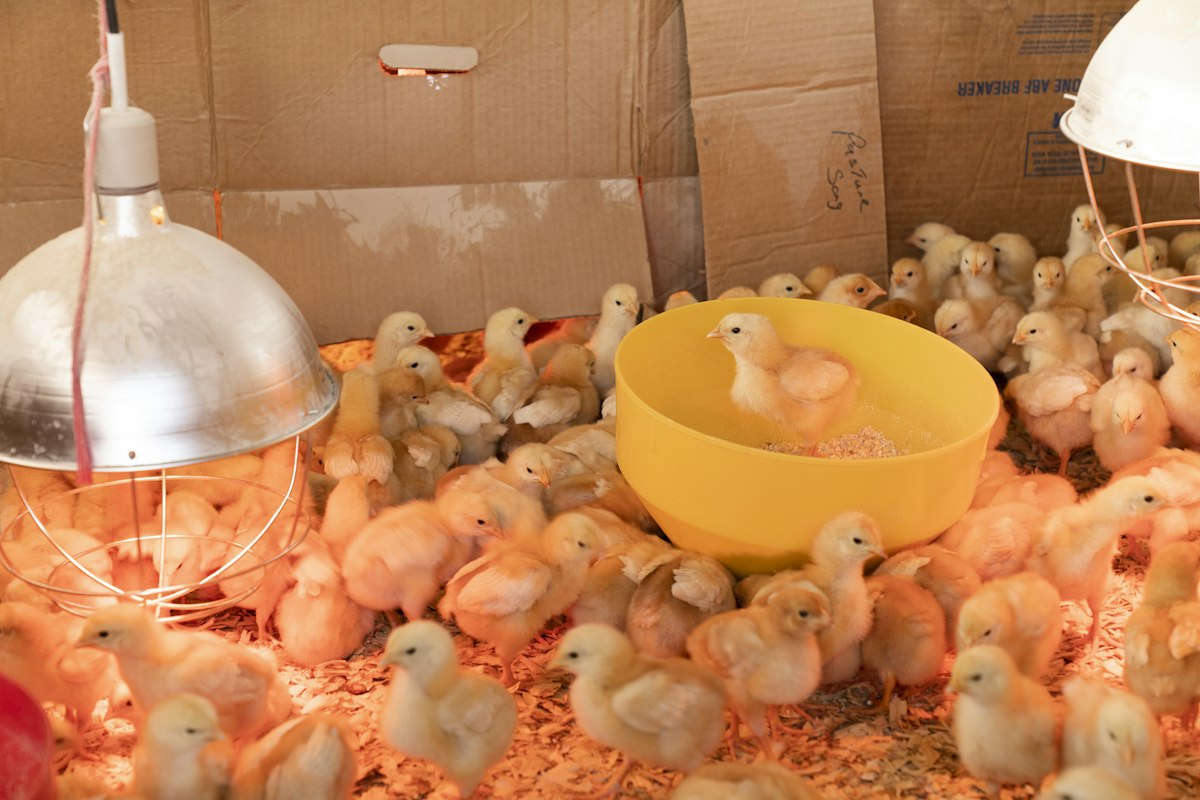
Setting Up the Guinea Brooder
Guinea keets are more fragile than chicks and require extra warmth and careful feeding:
Temperature:
- Week 1: 95-98°F
- Week 2: 90-95°F
- Week 3: 85°F, and so on
Keets are more cold-sensitive than chicks and pile together more easily — watch for suffocation in corners (use curved corners in the brooder).
Feed:
- Guinea keets require higher protein than chick starter
- Use turkey starter or game bird starter at 24-26% protein
- Standard chick starter (18-20% protein) can cause leg problems in keets
Water:
- Shallow, warm water with marbles to prevent drowning
- Add electrolytes for the first 3-5 days
Housing:
- Guinea keets can squeeze through remarkably small openings — ensure there are no gaps in the brooder
- They're also flight-prone from very early on — put a cover on the brooder by week 2
Guinea-Specific Hatch Issues
Keet Pipping But Not Zipping
This is the most common guinea hatching frustration. Causes:
- Low humidity (most common)
- Shell too hard (genetic variation between strains)
- Weak keet
Solution: Raise humidity immediately, wait up to 36 hours before assisting.
Low Hatch Rate with Shipped Eggs
Guinea eggs are particularly hard-hit by shipping because their more pointed shape makes it harder for packers to prevent rolling and air cell damage. Expect lower hatch rates from shipped guinea eggs vs. chicken eggs.
Let eggs rest 24 hours large-end-up before setting. Use forced-air incubator if possible.
Pasty Butt in Keets
Pasty butt (droppings caking the vent) is common in guinea keets, more so than chicks. Check vents twice daily for the first week and gently clean with warm water if blocked.
Quick Tips for Guinea Success
- 1Source from a breeder who ships carefully — guinea eggs need excellent packaging
- 2Don't skip the 50-55% humidity during incubation (not 45% like chickens)
- 3Use a turkey/gamebird starter — not standard chick feed
- 4Be patient during hatching — keets need more time to unzip than chicks
- 5Keep keets away from chickens initially — they can be bullied when young
- 6Guineas are noisy — fair warning for your neighbors!
Guinea fowl are worth every extra bit of effort. Their pest control abilities alone make them invaluable on any property, and their unique calls and personalities will make you wonder how you ever farmed without them.
Find quality guinea hatching eggs from trusted breeders at HatchingEggs.store. 🥚